Printable Free Coloring Pages for Little Moments of Wonder
Posted: Thu Dec 19, 2019 7:04 am
Family life often moves too fast. Parents manage work, meals, school tasks, and many small duties. Children also move from one activity to another. I wanted an easy activity that could slow the day without creating more work. I found Free Printable Coloring Pages at ColoringPagesCreative, and the pages gave my family a gentle way to pause. A quiet picture, a few crayons, and ten free minutes created space for curiosity. That small change helped ordinary afternoons feel calmer and more memorable.
1. Why Busy Families Need Small Moments of Wonder
Busy families do not always need more activities. Most of the time, they just need to slow down. A coloring page that you can print is an easy thing to try. It does not take much to get ready, and it gives kids a chance to imagine and to enjoy a little quiet attention from each other. That is why I started using coloring pages during our small breaks in the day.

It's simple to try a coloring page that you can print
1.1 Busy Routines Leave Little Room for Creative Pauses
Every weekday runs on the same busy plan. There's breakfast to get through, backpacks to find, and the usual reminders to hurry up before the morning slips away. The afternoon is homework, chores, snack time, and dinner. And in between it all, the kids are glued to their screens.
I realized that my children did not have the time to relax and focus on one activity. They were busy. But their creativity could not develop as it should have.
The coloring page changed all that by demanding very little from the kids. I printed out one page and put it on the kitchen table. My son and daughter took their crayons and settled down.
1.2 A Simple Coloring Page Can Change the Mood
By late afternoon, the whole house can feel tense from the day catching up with everyone. After school, children can't sit still, and parents are racing to get dinner on the table. A creative task can help you relax by giving your kids something quiet to do.
I witnessed a similar situation during one tough afternoon. The kids were fighting with each other and the room was noisy. So I printed two coloring pages and put them on the table next to a box of colored pencils. Almost instantly, the fighting gave way to calm focus as everyone settled into their own picture.
The drawings had simple black-and-white outlines, so the children still had plenty of room for their own imagination. The outlines would show them how to color, yet they were still allowed to do it by themselves.
2. How Printable Free Coloring Pages Create Wonder
Children often find wonder in the smallest things around them. A small star, a secret door, or even a particular design can spark a flood of questions. Coloring pages provide the opportunity for children to observe carefully and transform everything they see. The drawing becomes something new in their hands.
2.1 Pictures Encourage Curiosity and Imagination
Kids can see a lot more in a picture than we think. They catch a cloud peeking out behind a mountain. They wonder why a person is smiling. What is at the end of that road? These small observations can become amazing stories.
When my children are busy in the act of coloring, I tend to ask a question from time to time. I will ask them what they think is going to happen next. It is not really meant to be a testing question. It is just a way to encourage them to think of their own ideas. You can try this with your own kids too.
The great thing about a good design is that it allows for enough interesting elements while providing enough space for kids to come up with their own ideas. A big empty space is great for small kids as it allows them to play around with their crayons. A fine detail is better for older kids since they have bigger ideas.
2.2 Creative Freedom Makes Every Page Unique
Kids follow instructions pretty much the whole day, whether it's from a teacher explaining an assignment or a parent laying down a rule — coloring is different because the child gets to decide what happens to the page.
There is no right way to color it. It helps the child trust their own instincts and stop worrying about doing something wrong.
I always keep several copies of that page, in case it turns out to be a favorite. Hence, my children will be able to choose one design now and then another one later on in the week. They can play around with ideas and forget about the fact that the previous page was not a success. This gives you the opportunity to use free printable coloring pages for many different occasions and purposes.
Moreover, children can make their T-shirt look wonderful by coloring a pattern or putting their pet on the drawing. The website ColoringPagesCreative works well since every drawing is just a starting point for the kids to color.
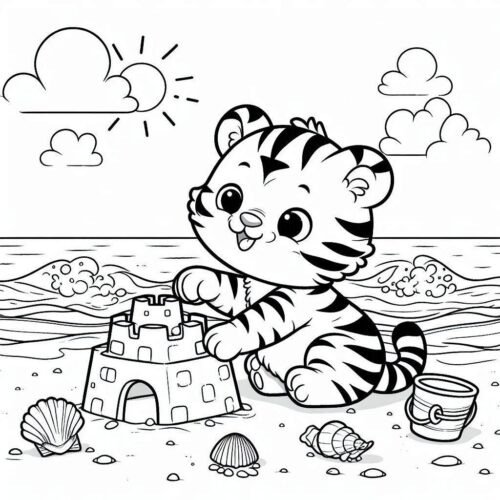
There's no proper way to color it
3. Creating a Peaceful Coloring Space at Home
For coloring, you do not need any special room. You simply need a comfortable place for your child to sit and a few basic supplies like crayons — then just tell your child it's time to color. Keeping it simple like this makes it easier for kids to start coloring on their own without any effort from their parents.
3.1 Preparing a Simple and Comfortable Coloring Corner
We always use one side of the kitchen table for coloring, with good lighting and the same familiar chairs the kids already know. We have stored all our crayons, colored pencils, and washable markers in a small box. I keep paper in an easy-to-reach place since my children like to create their own artwork at times.
Keep it simple. It is difficult for children to make decisions when there are too many options available.
I check how it will look before I hit print. I make sure the picture fits and the lines are easy to see. Pages I am not done with stay in a folder, and my supplies stay in a little box. A few free coloring pages pdf files sit saved in that same folder, ready whenever we need a new one. These simple steps help me unwind, and they make cleaning up so much easier.
A simple coloring corner needs just a few things:
Your children gain a sense of participation when they get to make their own choices. Instead of simply providing them with one picture, give them a couple of options. A tired child may prefer a picture with big figures, while a focused child may select one with tiny details.
The page should match the child's energy level and their age. A difficult drawing may be enjoyable on a calm weekend, but it could also feel daunting after a tough day in school, and a simple picture would benefit in a situation when a child is struggling to concentrate.
The subject of a picture plays a big part in how well it lands. Some children are drawn to animals above everything else, while others gravitate toward magic and fantasy themes. Some kids like the pictures depicting transport, flowers, or various sports. It is great that they can choose from many options because they can be fickle at times.
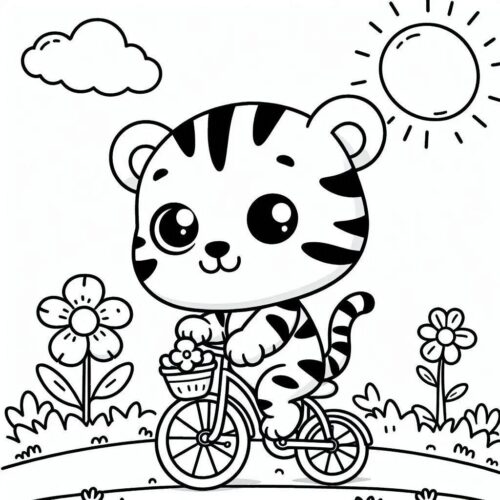
The page should be appropriate for the child's age and energy level
4. Turning Coloring Time into Family Connection
Coloring can start out as a solitary activity, but it can promote communication between family members. All the participants have something in common; coloring the picture has a calming effect on the children.
4.1 Sharing Conversation Without Creating Pressure
Kids rarely enjoy being asked many questions immediately after returning from school. Coloring will be more productive as children have an opportunity to speak during coloring while not facing their parents.
I frequently participate in coloring activities with my kids. I pick the color myself and complete the drawings, so I do not end up telling them they have done wrong. This way, I show the children that everyone is free to be creative.
It is fine for the parents to listen; they don't necessarily have to solve any issues of their children. Sometimes all they need is to ask a question, then wait quietly for an answer. That quiet time spent with kids matters a great deal.
4.2 Making Creative Breaks Part of Family Life
The creativity becomes a habit if it suits the family rather than vice versa. Our coloring sessions are not conducted according to any schedule; we usually color after classes, before dinner or on a relaxed weekend morning.
You can start incorporating creative breaks into your family routine by scheduling one coloring session per week. Crayons and papers should be left somewhere easily accessible. You can put favorite pictures into a folder for future use.
Colorful pages can decorate your home. A kid can paste one to the fridge. A family can put a mini gallery of colored pages up on the wall. Mom and Dad can save a couple of pages in a special box of memories. Include the date and a short description for future reference on each picture.
It will change along with the seasons.
1. Why Busy Families Need Small Moments of Wonder
Busy families do not always need more activities. Most of the time, they just need to slow down. A coloring page that you can print is an easy thing to try. It does not take much to get ready, and it gives kids a chance to imagine and to enjoy a little quiet attention from each other. That is why I started using coloring pages during our small breaks in the day.
It's simple to try a coloring page that you can print
1.1 Busy Routines Leave Little Room for Creative Pauses
Every weekday runs on the same busy plan. There's breakfast to get through, backpacks to find, and the usual reminders to hurry up before the morning slips away. The afternoon is homework, chores, snack time, and dinner. And in between it all, the kids are glued to their screens.
I realized that my children did not have the time to relax and focus on one activity. They were busy. But their creativity could not develop as it should have.
The coloring page changed all that by demanding very little from the kids. I printed out one page and put it on the kitchen table. My son and daughter took their crayons and settled down.
1.2 A Simple Coloring Page Can Change the Mood
By late afternoon, the whole house can feel tense from the day catching up with everyone. After school, children can't sit still, and parents are racing to get dinner on the table. A creative task can help you relax by giving your kids something quiet to do.
I witnessed a similar situation during one tough afternoon. The kids were fighting with each other and the room was noisy. So I printed two coloring pages and put them on the table next to a box of colored pencils. Almost instantly, the fighting gave way to calm focus as everyone settled into their own picture.
The drawings had simple black-and-white outlines, so the children still had plenty of room for their own imagination. The outlines would show them how to color, yet they were still allowed to do it by themselves.
2. How Printable Free Coloring Pages Create Wonder
Children often find wonder in the smallest things around them. A small star, a secret door, or even a particular design can spark a flood of questions. Coloring pages provide the opportunity for children to observe carefully and transform everything they see. The drawing becomes something new in their hands.
2.1 Pictures Encourage Curiosity and Imagination
Kids can see a lot more in a picture than we think. They catch a cloud peeking out behind a mountain. They wonder why a person is smiling. What is at the end of that road? These small observations can become amazing stories.
When my children are busy in the act of coloring, I tend to ask a question from time to time. I will ask them what they think is going to happen next. It is not really meant to be a testing question. It is just a way to encourage them to think of their own ideas. You can try this with your own kids too.
The great thing about a good design is that it allows for enough interesting elements while providing enough space for kids to come up with their own ideas. A big empty space is great for small kids as it allows them to play around with their crayons. A fine detail is better for older kids since they have bigger ideas.
2.2 Creative Freedom Makes Every Page Unique
Kids follow instructions pretty much the whole day, whether it's from a teacher explaining an assignment or a parent laying down a rule — coloring is different because the child gets to decide what happens to the page.
There is no right way to color it. It helps the child trust their own instincts and stop worrying about doing something wrong.
I always keep several copies of that page, in case it turns out to be a favorite. Hence, my children will be able to choose one design now and then another one later on in the week. They can play around with ideas and forget about the fact that the previous page was not a success. This gives you the opportunity to use free printable coloring pages for many different occasions and purposes.
Moreover, children can make their T-shirt look wonderful by coloring a pattern or putting their pet on the drawing. The website ColoringPagesCreative works well since every drawing is just a starting point for the kids to color.
There's no proper way to color it
3. Creating a Peaceful Coloring Space at Home
For coloring, you do not need any special room. You simply need a comfortable place for your child to sit and a few basic supplies like crayons — then just tell your child it's time to color. Keeping it simple like this makes it easier for kids to start coloring on their own without any effort from their parents.
3.1 Preparing a Simple and Comfortable Coloring Corner
We always use one side of the kitchen table for coloring, with good lighting and the same familiar chairs the kids already know. We have stored all our crayons, colored pencils, and washable markers in a small box. I keep paper in an easy-to-reach place since my children like to create their own artwork at times.
Keep it simple. It is difficult for children to make decisions when there are too many options available.
I check how it will look before I hit print. I make sure the picture fits and the lines are easy to see. Pages I am not done with stay in a folder, and my supplies stay in a little box. A few free coloring pages pdf files sit saved in that same folder, ready whenever we need a new one. These simple steps help me unwind, and they make cleaning up so much easier.
A simple coloring corner needs just a few things:
- A flat surface with good lighting
- A small box for crayons, colored pencils, and markers
- Paper stored within easy reach
- A folder for unfinished pages
Your children gain a sense of participation when they get to make their own choices. Instead of simply providing them with one picture, give them a couple of options. A tired child may prefer a picture with big figures, while a focused child may select one with tiny details.
The page should match the child's energy level and their age. A difficult drawing may be enjoyable on a calm weekend, but it could also feel daunting after a tough day in school, and a simple picture would benefit in a situation when a child is struggling to concentrate.
The subject of a picture plays a big part in how well it lands. Some children are drawn to animals above everything else, while others gravitate toward magic and fantasy themes. Some kids like the pictures depicting transport, flowers, or various sports. It is great that they can choose from many options because they can be fickle at times.
The page should be appropriate for the child's age and energy level
4. Turning Coloring Time into Family Connection
Coloring can start out as a solitary activity, but it can promote communication between family members. All the participants have something in common; coloring the picture has a calming effect on the children.
4.1 Sharing Conversation Without Creating Pressure
Kids rarely enjoy being asked many questions immediately after returning from school. Coloring will be more productive as children have an opportunity to speak during coloring while not facing their parents.
I frequently participate in coloring activities with my kids. I pick the color myself and complete the drawings, so I do not end up telling them they have done wrong. This way, I show the children that everyone is free to be creative.
It is fine for the parents to listen; they don't necessarily have to solve any issues of their children. Sometimes all they need is to ask a question, then wait quietly for an answer. That quiet time spent with kids matters a great deal.
4.2 Making Creative Breaks Part of Family Life
The creativity becomes a habit if it suits the family rather than vice versa. Our coloring sessions are not conducted according to any schedule; we usually color after classes, before dinner or on a relaxed weekend morning.
You can start incorporating creative breaks into your family routine by scheduling one coloring session per week. Crayons and papers should be left somewhere easily accessible. You can put favorite pictures into a folder for future use.
Colorful pages can decorate your home. A kid can paste one to the fridge. A family can put a mini gallery of colored pages up on the wall. Mom and Dad can save a couple of pages in a special box of memories. Include the date and a short description for future reference on each picture.
It will change along with the seasons.
- Coloring in the springtime can revolve around flowers.
- Summertime coloring can focus on the beach.
- Fall is about leaf coloring.
- Winter is all about being inside.